My Family History: Weaving Personal Stories into a Living Family Tree
Every family has a drawer full of photographs, a box of letters, or an aunt who loves to tell the same story at every gathering. That is where your family history begins — not in dusty archives, but in the voices and faces you already know. If you have ever wondered how to take those precious fragments and shape them into something more lasting, this guide is for you. We will walk through simple, heartwarming steps to turn my family history into a beautiful family tree that honors the people who came before you.
Begin with What You Already Hold
You do not need to be a professional genealogist to start. Your own home is filled with family stories waiting to be gathered. Begin by setting aside an afternoon to look through old photo albums, letters, diaries, or even annotations on the back of pictures. These small artifacts are the seeds of your family history.
As you look, keep a notebook close. Write down the names, dates, places, and little details that catch your eye. That handwriting on the back of a photo — “Aunt May, 1942, beach trip” — is a tiny doorway into a richer story. Ask your relatives to help identify faces you do not recognize. Their memories will turn your family history from a simple list of names into a tapestry of experiences.
Listen with Heart and Record What Matters
Interviews are the soul of any family tree. Instead of a formal questionnaire, treat it like a conversation. Ask your grandmother about her favorite childhood meal, or your uncle about the house he grew up in. These everyday details bring warmth and color to the bare branches of your family history.
Use your phone to record the conversation — with permission, of course. Later, transcribe or summarize what you hear. Do not worry about recording every date perfectly at first. Focus on the story itself. You can always verify facts later. What matters now is capturing the voice and personality of each family member. Those spoken memories become the living heart of your family tree.
Identify the Branches and Fill in the Gaps
Once you have gathered a handful of stories, take a large piece of paper and sketch out the basic structure. Start with yourself and your siblings, then add your parents, their parents, and so on. This rough drawing is your first family tree skeleton. Do not worry if there are empty spaces — they are simply invitations to explore more.
Look for patterns as you go. Did several generations stay in the same town? Were there many children or only a few? These patterns become the story arcs of your family history. When you find a gap, let your relatives know. Often, a cousin or an older aunt is holding the missing piece without realizing it. Their contribution can make your family history feel more complete and shared.
Choose a Family Tree Style That Fits Your Family
There is no single right way to draw a family tree. Some families prefer a classic tree shape with roots and branches. Others like a more modern chart with clean lines and colors. If you are crafty, you might make a hand-lettered poster or a fabric wall hanging. If you prefer digital tools, many friendly apps let you build interactive charts. The goal is not perfection — it is connection.
As you choose a style, keep your family’s personality in mind. A family that loves picnics might enjoy a picnic-table style tree. A family with deep ties to the sea might prefer a lighthouse or boat motif. These creative touches make your family history feel uniquely yours. And remember, the actual family tree is simply a diagram showing relationships; the stories you collect are what give it meaning.
Bring Your Family History to Life with Small Details
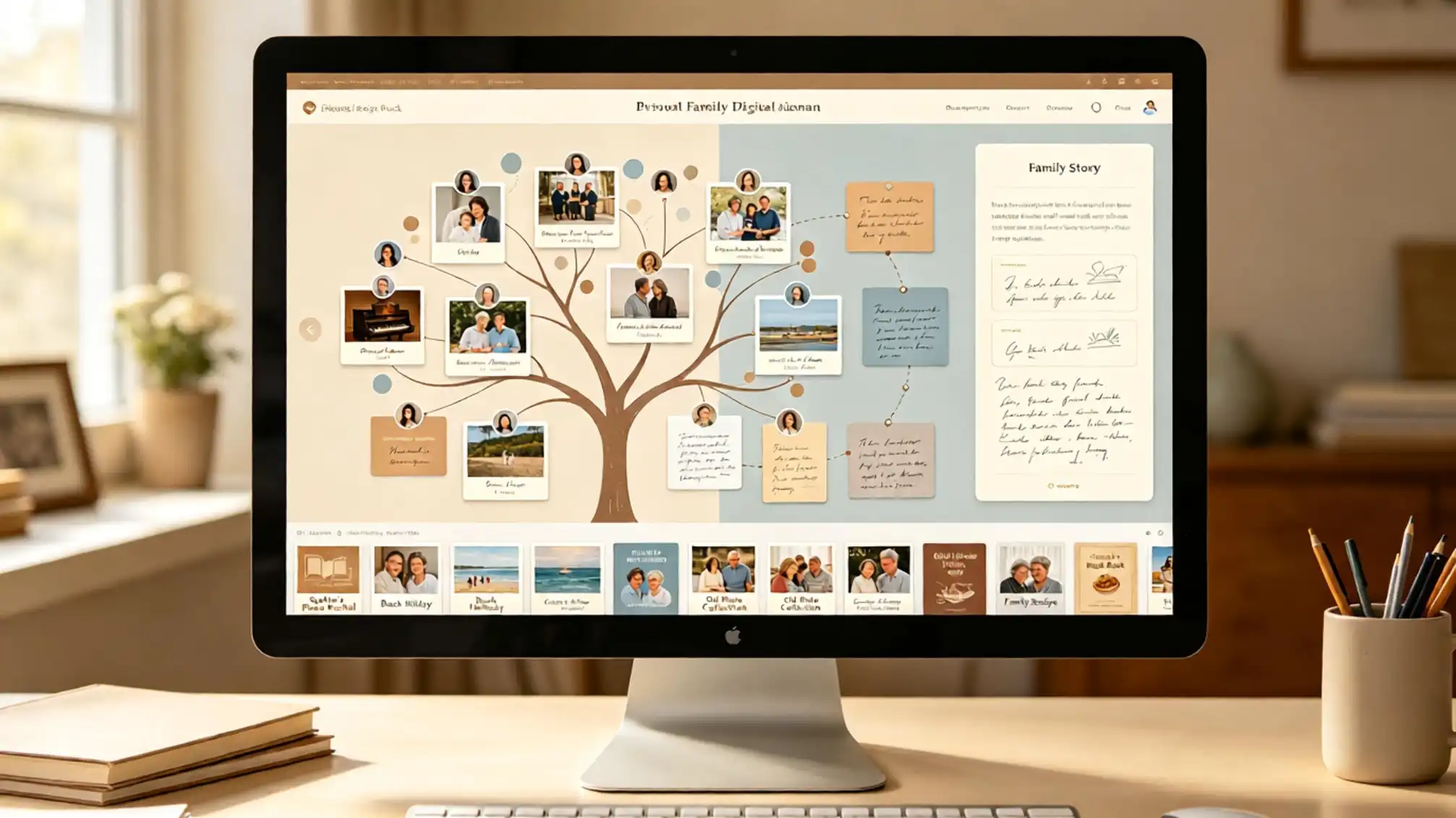
Now comes the most rewarding part: weaving your personal memories into the chart. Next to each person’s name, add a short note like “made the best apple pie” or “sang in the church choir.” These tiny annotations transform a static record into a living document. When future generations look at the family tree, they will not just see birth dates — they will feel the presence of the people behind those dates.
You can also create a companion scrapbook. Place copies of photos, handwritten recipes, or pressed flowers from a family farm. Pair each item with a story from your family history. This combination of visual and written memory is powerful. It turns your family history from information into experience.
Share Your Family History Gently and Often
A family tree is meant to be shared, not hidden in a drawer. Print a copy to bring to family gatherings. Share a digital version with distant relatives. Encourage young family members to add their own notes or drawings. When a new child is born, you can add a leaf to the tree together — and that small act becomes a cherished family ritual.
Sharing also helps correct mistakes. Someone may notice a wrong date or a misspelled name. Instead of feeling discouraged, welcome these corrections. They are gifts that make your family history more accurate and inclusive. Over time, your family tree will become a collaborative gift, shaped by many hands and many loving memories.
Preserve the Memories for the Next Generation
Finally, think about how your family history will live in the future. Use acid-free paper for printed copies, or store digital files in a secure cloud service. Write a letter to your grandchildren explaining why this family tree matters to you. Attach it to the tree or embed it in the digital file. That letter will become another layer of your family stories.
You may never be able to trace every branch back to the old country, and that is all right. The true value of my family history is the care you put into preserving it. Every name you saved, every story you listened to, every photo you labeled — these are acts of love. Your family tree will stand as a testament to that love, reaching out with roots deep in memory and branches open to the future.
- Start small: Gather photos and letters from your own home first.
- Interview kindly: Ask open-ended questions and record the conversations.
- Sketch freely: Draw your first draft on paper to understand the relationships.
- Add personality: Include stories, quirks, and favorite sayings beside each name.
- Share generously: Give copies to relatives and invite their contributions.
Your family history is not a perfect database — it is a living story. By turning it into a family tree, you create a place where past and present meet. So set aside an evening, pour yourself something warm, and start with the photo album on your shelf. The branches are waiting to be drawn, and the stories are ready to be heard.