How to Build a Family Tree: A Practical Guide to Mapping Parents, Grandparents, and the Relatives in Between
Most people who decide to map their family history start with the same question: where do I actually begin? The answer is simpler than it sounds. You begin with the people sitting across the dinner table — your parents, your grandparents, and the stories they still remember. A family tree does not need to stretch back ten centuries to be valuable. A clear, accurate three-generation chart is already a meaningful record, and it gives you a solid foundation to grow from.
This guide walks through a practical sequence: capture what you already know, collect the details only living relatives can give you, verify the facts, then choose a format that keeps everything readable as the tree expands.
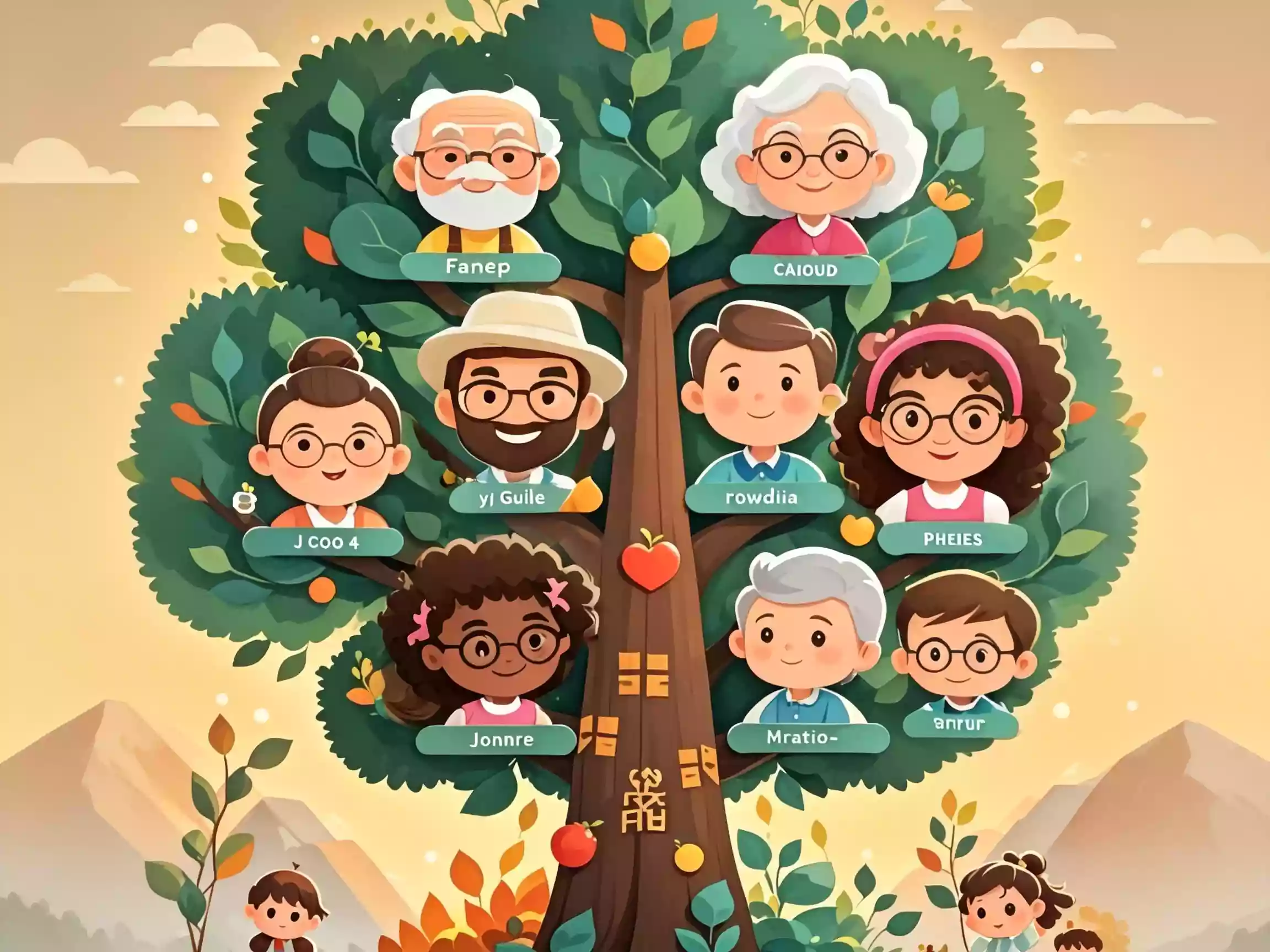
Why Starting With Parents and Grandparents Works Best
New researchers often jump straight to a famous ancestor or a distant country of origin. That approach usually stalls within a week, because the records you need are harder to find and harder to interpret without context.
The closest generations are different. Your parents and grandparents can confirm names, nicknames, birth years, marriage dates, and migration details in a single conversation. They also know the relationships that never made it onto official paperwork — step-siblings, adopted cousins, second marriages, and the aunts everyone called something other than their legal name. Those details are the connective tissue of a family tree, and they disappear quickly once a generation is gone.
Step 1: Write Down What You Already Know
Before contacting anyone, spend thirty minutes creating a rough draft. Open a notebook or a blank document and record:
- Your full name, birth date, and birthplace
- Your parents' full names, including maiden names, plus birth, marriage, and current details
- Your grandparents on both sides, with whatever dates you can recall
- Your siblings and first cousins, since they anchor each branch
Leave gaps without worrying about them. Unknown fields are useful — they tell you exactly which questions to ask next.
Step 2: Interview Living Relatives While You Can
Conversations are your fastest source of accurate information. Approach them as stories rather than interrogations, and record them with permission if you can. Ask open questions such as "Where did the family live when you were a child?" and "Who else lived in the house?" before moving to specific dates.
Useful prompts to keep handy:
- Full names at birth, plus any name changes through marriage or immigration
- Approximate birth, marriage, and death years and the towns involved
- Occupations, military service, and religious affiliations
- Other relatives they remember, even if the connection is unclear at first
After each conversation, write a short summary with the date and the person's name. A memory recorded today becomes a source you can cite later.
Step 3: Verify Names, Dates, and Relationships
Family memory is warm but imperfect. Years drift, and spellings change. Once you have a rough outline, confirm the essentials against records: birth and marriage certificates, census returns, school records, immigration documents, newspaper announcements, and headstones.
Start with the facts that connect generations, because a single wrong marriage date can send an entire branch in the wrong direction. When two sources disagree, note both versions and record which one you consider stronger. This habit saves enormous time later, when you return to a branch you set aside months ago.
Step 4: Choose a Format You Will Actually Maintain
There is no single correct layout. The right one is the one you will keep updated.
Paper Charts
Ancestor charts work upward from one person to parents, grandparents, and great-grandparents, which suits anyone focusing on direct lineage. Descendant charts move downward from a founding couple and are ideal when you want to capture cousins and their children.
Digital Trees
Digital tools let you attach photos, documents, and notes to each person, and they handle relationships that paper struggles with — remarriage, adoption, and blended families. Whichever option you pick, keep one master copy. Duplicate versions created in different places are the most common reason people lose track of their own research.
It also helps to see how a structured relationship view looks before you commit to your own system. The family page at FamilyLove shows how parents, grandparents, and extended relatives can be organized in one connected space, which makes a useful reference for your own layout.
Step 5: Expand Carefully, One Generation at a Time
Once the first three generations are documented, add the next layer. Work on one branch at a time rather than jumping between surnames. Record every source as you go, even when it feels obvious — the note you skip today is the question you cannot answer in two years.
Expect surprises. A birth year that shifts by three years, a grandmother listed under a nickname, or a relative who appears in two censuses under different spellings are all normal. Treat them as clues rather than errors, and document your reasoning.
Common Mistakes to Avoid
- Copying entire trees from other people without checking the underlying records
- Guessing a maiden name instead of searching marriage records for it
- Ignoring siblings and cousins, who often hold the documents that unlock a parent's line
- Leaving dates unrecorded in a consistent format, which makes sorting impossible later
- Waiting for a perfect template before writing anything down at all
Keeping the Tree Meaningful Over Time
A family tree is not a finished document. It is a living record that grows with each conversation, certificate, and photograph you add. Set a small recurring habit — one interview, one record request, or one branch review each month — and the tree will steadily deepen without becoming overwhelming.