Family History Beyond Names: How to Capture a Life Story Before It Fades
Ask ten people why they started researching their family history and most will say they wanted to know where they came from. Ask what they actually found, and the answer is usually a list of names, a few birth years, and a marriage certificate or two. What rarely survives the process is the part that made those people real: their voice, their habits, and their reasons.
A name tells you someone existed. A recorded life story tells you what it was like to be them. If you are just beginning to explore a parent's or grandparent's past, that distinction matters early, because it changes what you collect and how you spend your time.
Why a Life Story Carries More Weight Than a Record
Genealogy is built on evidence. Census returns, parish registers, immigration manifests, military records — all reliable, and all narrow. They place a person at an address on a specific date. They do not explain why the family left, what the journey cost, or which sibling stopped speaking to whom.
A life story fills that gap. It records decisions rather than outcomes. Why did she leave school at fourteen? What did he do during the strike? Which grandparent insisted the family move across the country, and what did everyone else think about it?
Those answers do something a certificate cannot: they turn an entry in your family tree into a person with a temperament, a sense of humour, and a set of opinions. They also explain patterns you may notice later in your research — the same trade appearing across three generations, or cousins who all settled within a few streets of each other.
What Disappears When Nobody Writes It Down
Memory is not a filing cabinet. It is closer to a conversation held in a busy room, where details get dropped the moment they stop being useful. The broad shape of a life usually holds. The texture goes first: the name of the street, the song someone sang at work, the reason a grandfather changed careers at forty, the recipe nobody thought to write down because it was always just there.
Within two generations most of that is gone. Within three, the person flattens into a name on a chart. The loss is quiet and rarely noticed, because you cannot miss what you never heard.
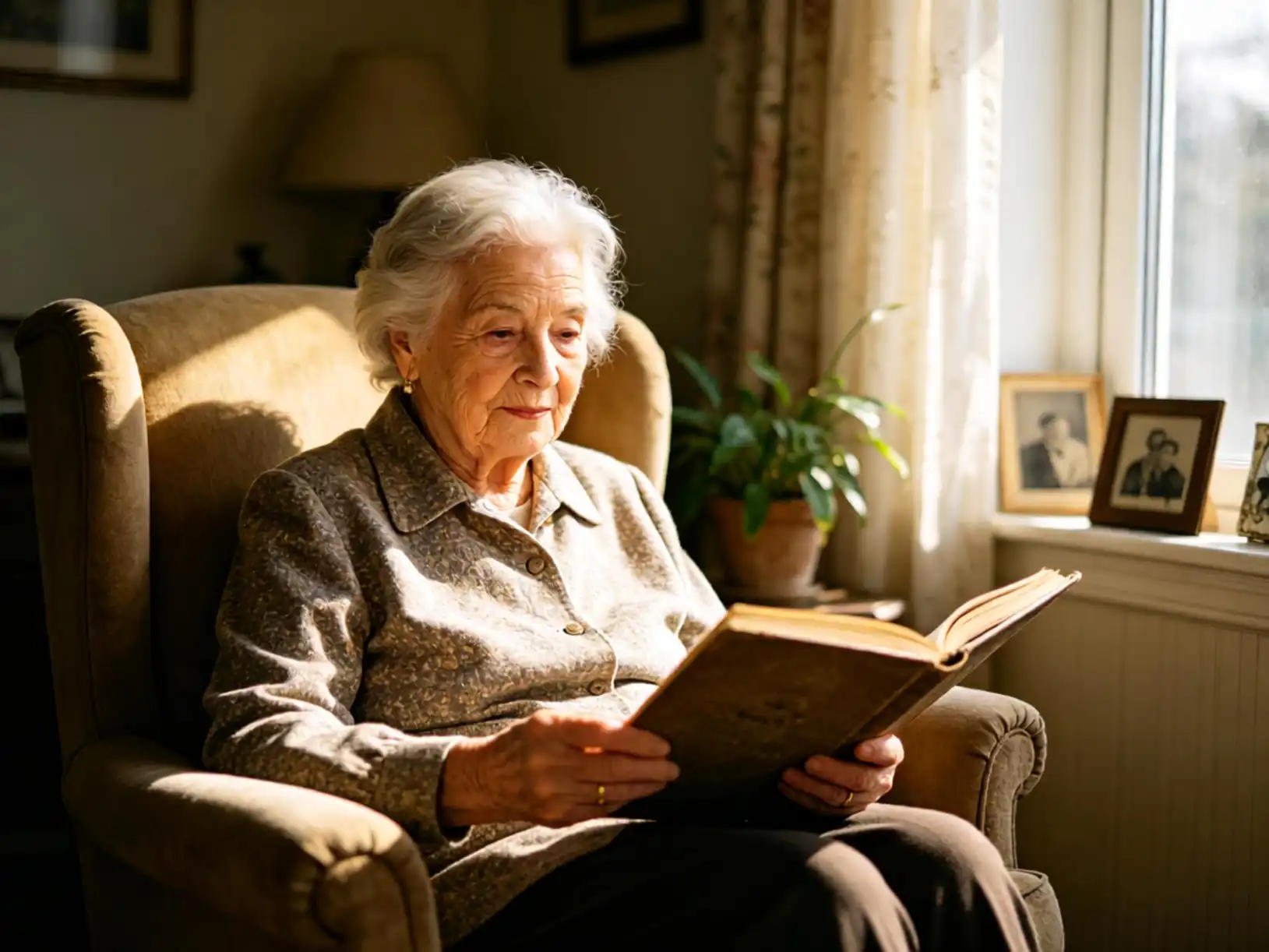
Where Beginners Should Actually Begin
Talk before you search
The instinct for most newcomers is to open a records database and start typing surnames. That work is worth doing, but it is easier and more productive after you have spoken to the people still living. A twenty-minute conversation can save you months of chasing the wrong branch, and it produces information that no archive holds.
Keep the first sessions loose. Instead of asking for a full life story, ask about specific scenes: the first job, the house they grew up in, the family meal they remember most clearly. Concrete prompts unlock detail. Vague ones produce summaries.
Ask permission before recording, and explain what the recording is for. Most people relax once they understand it is for the family rather than for publication.
Record in a format you will maintain
A recording is only useful if you can find it later. Decide on one place for everything — audio files, scanned photographs, typed notes — and give each item a clear name with a date and the person it relates to. Consistency matters far more than sophistication. A simple folder system you actually use beats an elaborate archive you abandon after a month.
Transcribe the moments that matter rather than every word. A short written summary of each recording, with timestamps for the best sections, makes the material usable for years.
Connecting the Story to Your Family Tree
Family history works best when the narrative and the research sit together. Add the stories you gather as notes attached to the relevant person, so that the next time you open the tree you see both the record and the reason behind it. When a document contradicts a memory, keep both — the discrepancy is often the most interesting thing you will find.
If you are building this out with relatives, the family section is a useful place to organise profiles and keep each person's story alongside their details.
Mistakes That Quietly Erase a Story
- Waiting for a formal interview. The best material often arrives sideways, during a drive or while washing up. Keep a way to record close at hand.
- Chasing facts instead of scenes. Dates are easy to look up later; the smell of a kitchen or the sound of a street is not.
- Skipping the ordinary. Daily routines — how groceries were bought, how birthdays were marked — describe a world better than dramatic events do.
- Filing without labelling. An unnamed photograph or untitled audio file becomes useless within a year.
- Assuming someone else will do it. In most families, that someone is the person who noticed the problem first.
What You Are Really Preserving
Preserving a life story is not nostalgia. It is the difference between an ancestor and a data point. A genealogy chart shows structure — who connects to whom, across how many generations. The stories you collect show motive, character, and context, and they are the part your own children will actually remember.
You do not need professional equipment or a perfect method. You need a few focused conversations, a consistent way of storing what you gather, and the patience to link each story to the person it belongs to. Start with one relative. Start this month.