{
"title": "Why Preserving a Family Member's Life Story Matters More Than You Think",
"metaTitle": "Why Recording a Family Member's Life Story Matters",
"Description": "Recording a family member's life story preserves what a family tree cannot: voice, perspective and context. Here is why it matters and how beginners can start.",
"summary": "A family tree tells you who existed; life story tells you what it was like to be them. This guide explains why recording a relative's life story completes your family history and genealogy research, what beginners get stuck on, and how to start with one question this week.",
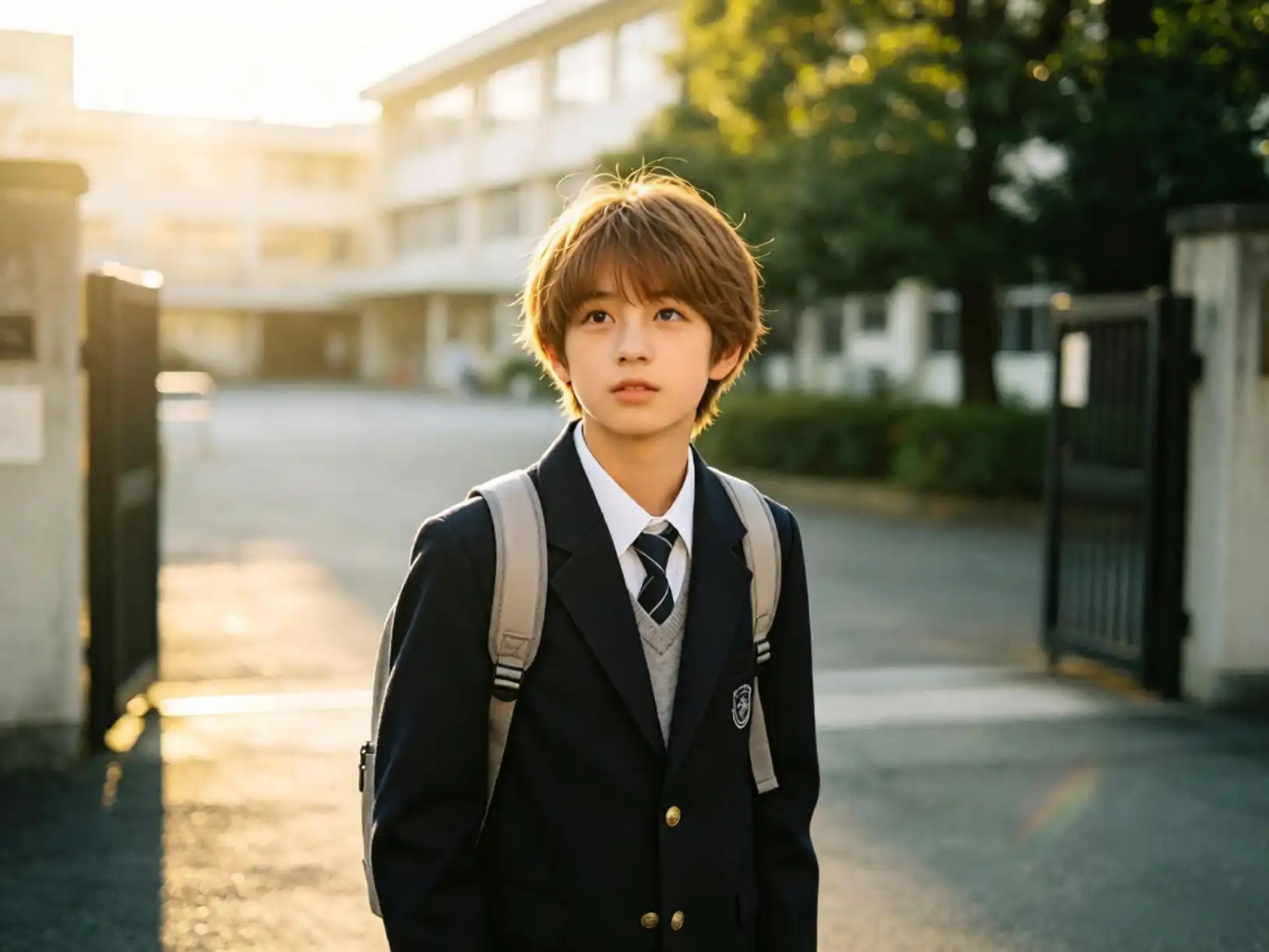
"contentHtml": "<h1>Why Preserving a Family Member's Life Story Matters More Than You Think</h1>\n<p>Most families keep some version of the same record: names, dates, few photographs, maybe a certificate or two. That record tells you who. It rarely tells you what it was like to be. A life story is the part of your family history that a family tree cannot hold — the reasons behind the decisions, the texture of ordinary days, the things people assumed everyone knew.</p>\n<p>If you are just beginning, you do need training in genealogy or a professional recording setup. You need one willing relative, a of open questions, and the patience to write down what you hear. This guide explains why that effort matters, what it changes for the people who come after you, and how to actually start.</p>\n\n<h2>What a life story captures that a family cannot</h2>\n<p>A family tree is a structure: branches, connections, dates. It answers “who came before me?” A life story answers a different question: “what was it like?”</p>\n<p>The difference shows up in small details. A census record might show that your grandmother lived at one address for thirty years. Her life story explains why stayed — a she loved, a neighbourhood she helped build, a promise she made. A card tells you your great-grandfather served. His own account tells you what he thought about it, who he letters to, and what he never told anyone afterwards.</p>\n>These are the details that turn ancestors from entries in a database into people with motives, humour and contradictions. When you record them, you are not duplicating the work of genealogy research — you are completing it.</p>\n\n<h2>The cost of “we'll do it later”</h2>\n<p>The most common reason a life story never gets recorded is timing. Families there will be another holiday, another phone call, another summer visit.</p>\n<p>In practice, memory is not a stable archive. Details fade quietly, and the order of events blurs long before anyone notices. More importantly, the person who holds the story is the only source for some of it. Once they are gone, that specific version — their voice, their emphasis, the parts they chose to — is gone with them. Photographs survive. Perspective does not.</pn<p>This is not a reason to feel guilty. It is a reason to the bar for starting. A single recorded conversation this month is worth more than a project that never begins.</p>\n\n<figure>\n src=\"https://r2.familylove.love/static/seo/student.webp\" alt=\"A beginner learning how to record a family member's life story\">\<figcaption> do not need to be an expert interviewer. A beginner's curiosity — ask, listen, write it down — is all a life story needs to begin.</figcaption>\n</figure>\n\n<h2>What recording a life story gives your family</h2>\n<p>The benefits extend well beyond sentiment. Families who take the time to capture these accounts usually notice a few consistent returns.</p>\n<ul>\n<li><strong>Context for the family tree.</strong> Stories explain the gaps and oddities in genealogy records — second marriages, sudden moves, estrangements, name changes. Without them, descendants guess.</li>\n<li><strong>Accuracy that improves over time.</strong> single conversation often corrects assumptions that have circulated for decades. One relative's memory prompts another's, and details sharpen as more people contribute.</li>\n<li><strong>A shared reference point.</strong>ed stories give siblings, cousins and future generations a common version of events, which reduces confusion and preserves relationships.</li>\n<li><strong>Something to pass down that is not an object.</strong> Heirlooms get lost, divided, or stored in boxes. A recorded life story can copied, shared and kept intact indefinitely.</li>\n</ul>\n<p>There is a quieter benefit too. People who are invited to tell their story often describe the experience as meaningful in itself. Being asked — and being listened without interruption — is a form of respect that families rarely make time for.</p>\n\n<h2>Why beginners get stuck (and how to get past it)</h2>\n<h3>They treat as an interview instead of a conversation</h3n<p>A formal questionnaire can shut a conversation down. Most people do not want to be examined; they want to reminisce. Start with one open question “What was your neighbourhood like when you were growing up?” — and follow where it goes.</p>\n<h3>They wait for the perfect setup</h3>\n<p>You do not studio equipment. A phone's voice recorder, placed on the table between you, is enough. If recording makes your relative uncomfortable, take notes and read them back at end to confirm accuracy.</p>\n<h3>They try to capture everything at once</h3>\n<p life story is built in pieces, not in a single sitting. hour a month, repeated over a year, produces a far richer account a marathon session that exhausts everyone involved.</p>\n<h3>They do not know what to</h3>\n<p>Work backwards from what you already know. Pull up the names and dates have, and ask about the person behind each one. If you are still building that foundation, start by organising what you already have on your <a href=\"://www.familylove.love/family\">family page</a> — it gives you a natural list of people and moments to ask aboutp>\n\n<h2>Questions that open people up</h2>\n<p>Good questions are specific, sensory and non-judgmental. Try these:</p>\n<ul>\n<li>What did your street sound like on a summer evening?</>\n<li>Who was the first person outside your family you remember trusting?</li>\n<li>What did you think you would do with your life at eighteen? What changed?</li>\n<li>What is something everyone in the family gets wrong about you?</li>\n<li>What do you hope the people after understand about the life you lived?</li>\n</ul>\<p>Ask one, then stay quiet. Silence is a tool; the most valuable sentences usually arrive a few seconds after the first answer ends.</p>\n\n<h2>Where this fits into your wider family history</h2>\n<p>Recorded stories are not separate from genealogy — they are what makes it readable. Dates confirm that a life happened; stories explain why it mattered. As you collect accounts, you will find answer questions that records raise and raise questions that records can settle. That back-and-forth how a family history becomes something more than a chart of names.</p>\n>It also makes the research easier for whoever picks it up next. A descendant fifty years from now will not have to guess what your relative meant by a, a nickname, or a move across the country. They will hear it in context.</p>\n\n<h2>Keeping what you gather safe</h2>\n<p>Collecting the story is the hard part; storing it is straightforward. Keep one master folder — digital is easiest — and label each file with the person's name and the date of the conversation. Back it up in two places, such as storage and an external drive. If you record audio, add a short written summary the material is still usable if a file format becomes obsolete. Then share copies with other family members: a story held in one person's account is fragile, while a story held by five relatives is durable.</p>\n\n<h2>Start small, start this week</h2>\n<p>Choose one person. Ask one question. Write down the answer the same day, while the phrasing is still. That is the entire method, and it works at any scale. Everything else — transcription,, sharing — can come later.</p>\\n<h1> Steps</h1>\n<ul>\n<li>Pick one relative and one open question, then record or note the answer within next seven days; use your <a href=\"https://www.familylove.love/family\">family page</a> to keep names, dates and connections organised as you go.</li>\n<li>For further help and guidance on preserving and sharing family stories, visit <a href=\"https://www.familylove.love/docs">https://www.familylove.love/docs</a>.</li>\n</ul>",
"images": [
"https://r2.familylove.love/static/se/student.webp"
]
}